What tenants must know about council cleaning rules in Harringay

If you rent in Harringay, cleaning can feel surprisingly complicated. One minute you're dealing with everyday mess, and the next you're trying to work out what the council expects, what your tenancy says, and what counts as "clean enough" when you move out. That's exactly why understanding what tenants must know about council cleaning rules in Harringay matters. It helps you avoid avoidable problems, protect your deposit, and keep shared spaces pleasant for everyone. And yes, there are a few grey areas. That's normal.
In this guide, you'll get a clear, practical explanation of how council-related cleaning expectations usually work for tenants in Harringay, what responsibilities tend to sit with you, where people often go wrong, and how to stay on the right side of inspections, neighbour complaints, and end-of-tenancy checks without losing your mind over skirting boards.
Why What tenants must know about council cleaning rules in Harringay Matters
Cleaning rules are about more than just appearance. For tenants, they can affect deposit deductions, complaint handling, shared hallway standards, refuse storage, pest prevention, and whether a landlord or managing agent decides a property has been left in acceptable condition. In practical terms, the local council's standards and your tenancy obligations often overlap. That overlap is where confusion starts.
Harringay has a mix of flats, converted houses, maisonettes, and larger blocks. That means cleaning responsibilities can feel different from one building to the next. In one place, the focus might be on keeping bins tidy and communal stairs free of debris. In another, you may be expected to leave the inside of the property in a professionally clean condition at the end of your tenancy. Same postcode, different headache.
Tenants also need to understand that "the council" is not usually your landlord. The council may set standards around environmental health, waste storage, nuisance, and property conditions, while your landlord or agent sets tenancy cleaning requirements. If you mix those up, you can end up cleaning the wrong thing to the wrong standard. Not ideal.
Practical takeaway: council cleaning expectations usually focus on shared health, safety, and environmental standards, while tenancy agreements focus on the condition you must leave the home in. You need to satisfy both where they apply.
For many tenants, the simplest win is prevention: keep on top of daily mess, deal with rubbish promptly, and deep clean before it becomes a bigger issue. That's especially true in London living, where shared entrances and compact kitchens can turn minor dirt into a bigger nuisance very quickly.
How What tenants must know about council cleaning rules in Harringay Works
There isn't one single rulebook titled "council cleaning rules in Harringay." In real life, the picture is made up of a few parts:
- Your tenancy agreement - this usually explains the standard of cleanliness expected when you move in, live in, and move out of the property.
- Building or block rules - some managed buildings have housekeeping expectations for corridors, bin stores, cycle areas, and shared entrances.
- Council and environmental expectations - these can affect waste disposal, fly-tipping, pest control, odour, and how communal areas are maintained.
- Health and safety considerations - spills, mould growth, blocked ventilation, or waste build-up can create hazards, especially in shared homes.
In practice, tenants are usually responsible for the internal cleanliness of their own home and for using shared areas properly. That means clearing up after yourself, not leaving rubbish in hallways, and reporting issues before they snowball. Landlords and managing agents tend to handle structural repairs, while cleaning of communal spaces may be arranged separately depending on the property.
If you're hiring help, it's worth choosing a provider that understands end-of-tenancy expectations as well as general home cleaning. A good place to start is the company's end of tenancy cleaning service, especially if your lease mentions professional cleaning or if you want to reduce the risk of deductions. For routine upkeep between move-in and move-out, a deep cleaning approach can be more effective than a quick tidy-up.
Here's the part people miss: council-related cleaning issues are often triggered by patterns, not one-off mistakes. A bag of rubbish left overnight is usually nothing. A recurring overflow of food waste in a shared bin store can become a nuisance complaint. Same with a stairwell that is never swept, or a kitchen extractor that's gone greasy enough to smell when it heats up. Tiny issues become visible very fast in shared living.
Key Benefits and Practical Advantages
Following cleaning expectations properly brings obvious benefits, but some of the best ones are the boring, practical kind. And boring is good here.
- Lower deposit risk: a clean, well-kept property is less likely to attract end-of-tenancy disputes.
- Better relationships: good cleaning habits reduce friction with neighbours, landlords, and block managers.
- Fewer hygiene problems: regular cleaning helps control odours, pests, mould growth, and dust build-up.
- Less last-minute stress: if you clean as you go, moving out is far less frantic.
- Clearer responsibility boundaries: when you understand what is expected, it's easier to prove you have done your part.
There is also a mental benefit, honestly. A clean hallway, a fresh kitchen, and a bin area that doesn't smell on a warm afternoon make daily life easier. You notice it the moment you walk in the door.
For tenants in shared buildings, cleaning knowledge can also protect you from taking the blame for issues outside your control. If a communal window is filthy because the block cleaning schedule has lapsed, that's a different matter from your own flat being left with dust, stains, and grease. Knowing the difference helps you speak to the right person, in the right way.
If you need broader help with maintaining a flat or house between inspections, a provider offering domestic cleaning or one-off cleaning may be useful. The point isn't to outsource everything. It's to choose the right level of support when your own time is tight, which, let's face it, is most of the time.
Who This Is For and When It Makes Sense
This topic matters for more people than you might think. It's not only for tenants at the very end of a lease. It also matters if you are settling into a new flat, dealing with a complaint, or living in a shared building where standards can slide quickly if nobody pays attention.
- New tenants: you want to understand what condition the property should be in and what you're expected to maintain.
- Long-term renters: regular cleaning helps prevent bigger issues and avoids "gradual decline" that no one notices until it's messy.
- Students and sharers: shared kitchens and bathrooms need clearer rules, otherwise chaos arrives before Tuesday.
- Tenants leaving a property: this is where cleaning expectations become most important and most expensive if ignored.
- Residents in managed blocks: communal cleaning and waste handling often affect everyone, even if your own flat is spotless.
It makes sense to think about this before a problem starts. If you wait until the agent has emailed you about marks on the carpet or grease on the oven, you are already on the back foot. Early awareness is cheaper and calmer.
Tenants sometimes assume council rules only matter when there is a formal complaint. Not quite. Often, by the time a complaint exists, the issue has been visible for a while: recurring litter, neglected shared areas, or an apartment that has become difficult to keep hygienic. A few minutes of prevention beats a long email chain, every time.
Step-by-Step Guidance
If you want a sensible way to deal with cleaning expectations in Harringay, start here. No drama, just a clear process.
- Read your tenancy agreement carefully. Look for wording about cleaning standards, professional cleaning, pets, carpets, ovens, windows, and communal access.
- Separate your space from shared space. Your flat, hallway, bin area, bike storage, and stairwell may each fall under different responsibilities.
- Inspect the property like an agent would. Stand in the doorway and scan for dust, odour, streaks, grease, marks, and bin overflow. It sounds a bit grim, but it works.
- Make a cleaning plan by room. Start with the kitchen and bathroom, then tackle floors, soft furnishings, windows, and high-touch areas.
- Use targeted services where needed. A general wipe-down may not be enough for carpets, ovens, upholstery, or hard floors that need proper treatment.
- Document before and after states. Photos can help if there is later a disagreement about cleanliness or shared-area responsibility.
- Leave time for drying and ventilation. Wet carpets, damp upholstery, or newly cleaned hard floors need time to settle before final inspection.
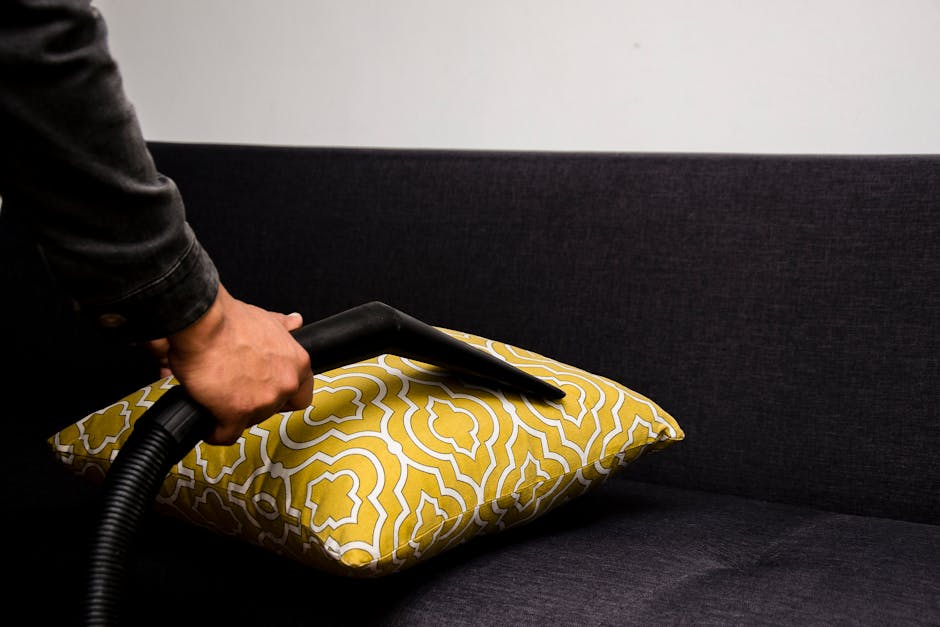
For stubborn tasks, specialist services can make sense. A greasy oven, for example, often needs far more than a spray and a quick scrub. The same goes for tired carpets or marked sofas. You can explore options like oven cleaning, carpet cleaning, or sofa cleaning if those items are part of your move-out checklist or ongoing home care.
Here's a small but useful habit: clean top to bottom, not randomly. Dust falls. Floors collect crumbs. Windows show streaks at certain angles in the afternoon light, usually when you've already put the cloth away. Annoying, but predictable.
Expert Tips for Better Results
In our experience, the best tenants are not the ones who do huge cleaning blitzes. They are the ones who prevent build-up. That is the real trick.
- Do ten minutes a day. A quick reset after cooking or before bed often saves hours later.
- Focus on touchpoints. Handles, switches, taps, and worktops make a bigger impression than people expect.
- Use the right product for the surface. Harsh products on wood, stone, or upholstery can do more harm than good.
- Ventilate after cleaning. Open windows if you can. Fresh air helps with smell, drying, and general sanity.
- Check hidden places. Behind bins, under sinks, behind radiators, and along skirting boards are where disputes often begin.
- Ask for clarity early. If you're unsure whether a communal area is your responsibility, ask before assuming.
One slightly old-fashioned but useful tip: keep a simple cleaning log if you live in a shared property or if there has already been tension. Nothing fancy. Just a note of when bins were taken out, when the bathroom was deep cleaned, or when the hallway was swept. It can help if things get muddled later.
If you are dealing with post-renovation dust or builder residue, specialist help can be worth it. A property can look tidy and still have fine dust on ledges, skirting, and vents that a casual wipe misses. That's where after builders cleaning becomes useful, especially after work that left the place feeling gritty and awkward.
And yes, sometimes the smartest move is to call in a proper cleaning company rather than trying to conquer the whole place at 9pm with one tired sponge. Been there. Not glamorous.
Common Mistakes to Avoid
Most cleaning disputes are not caused by one catastrophic mess. They come from small oversights repeated over time. Here are the usual culprits.
- Assuming "clean" means "visibly not dirty." A place can look okay but still fail on grease, smell, dust, and hidden grime.
- Ignoring shared areas. Hallways, stairs, bin stores, and entryways matter if you live in a block or shared house.
- Leaving the oven until the last day. This is one of those jobs people always regret postponing.
- Not checking carpet condition. Stains that seem faint in daylight can show up very clearly at inspection time.
- Using too much water. Over-wetting carpets, upholstery, or wood can lead to smells and longer drying times.
- Throwing rubbish out in the wrong place or at the wrong time. That can become a council or building management issue fast.
Another common mistake is cleaning only where you can see at standing height. People forget the tops of doors, extractor fan covers, behind the toilet, and under appliances. Those areas do matter, even if they are not immediately obvious.
To be fair, nobody lives in a showroom. A bit of normal wear is expected. The problem is when normal wear starts to look like neglect. That line is thinner than people think.
Tools, Resources and Recommendations
You do not need a cupboard full of gadgets, but a small kit makes a big difference. Keep it simple and actually use it.
- Microfibre cloths for dust and general wiping
- A good vacuum with attachments for edges, upholstery, and stairs
- A mop suitable for your flooring type
- Non-abrasive cleaner for kitchens and bathrooms
- Scraper or specialist sponge for stubborn marks on safe surfaces
- Bin liners, gloves, and a decent brush for communal tidy-ups
For routine home upkeep, some tenants prefer a regular home cleaners visit. Others only need support once or twice a year, especially before inspections or a move. If your property has hard flooring that shows dust and footprints quickly, hard floor cleaning can help restore the finish without making the surface sticky or streaked.
Window smudges and grease around frames are another common oversight. They are small things, but they catch the eye. A professional window cleaning service can be useful if your lease or landlord expects a sharper finish than your usual weekend wipe-down.
If you are comparing service providers, look beyond the headline promise. Check whether they explain what is included, what surfaces they handle, how they approach safety, and whether they are transparent about time, access, and drying. A trustworthy provider should make the process easy to understand, not more mysterious.
You can also review the company's health and safety policy, insurance and safety information, and terms and conditions before booking. That is just sensible, especially when someone will be working in your home.
Law, Compliance, Standards, or Best Practice
When tenants hear the word "compliance," it can sound heavy. But in this context, it mostly means staying aligned with your tenancy, protecting health and safety, and following ordinary expectations for waste, cleanliness, and shared living. You do not need to memorise council policy documents to behave well. You just need to understand the basics.
UK tenants generally have to keep the property reasonably clean, dispose of rubbish properly, and avoid causing damage or nuisance. Landlords, agents, or managing companies may set stricter standards through the tenancy agreement. In blocks with communal areas, best practice usually means not leaving personal items in corridors, not blocking entrances, and reporting mould, leaks, or pest concerns quickly rather than hoping they go away on their own. They usually don't.
For shared spaces, cleanliness is often tied to safety. A wet floor, blocked fire exit, or overflow bin is not just untidy; it can be a hazard. That is why good building management cares about housekeeping as much as appearance. In practical terms, clean communal spaces reduce complaints, reduce pest attraction, and help everyone feel the building is being looked after.
If your household generates bulky waste or clutter during a move, keep an eye on disposal rules and avoid dumping items near shared bins. If too much material has built up, a house clearance service can be a more orderly solution than leaving everything to the last minute and hoping for the best.
Best practice in plain English: leave the property and shared areas in a state that is hygienic, safe, and clearly cared for. That is usually what landlords, councils, and neighbours all want, even if they say it differently.
Options, Methods, or Comparison Table
Tenants often wonder whether to clean themselves, hire help, or do a mix of both. The right answer depends on time, budget, and how much grime you are dealing with. Here's a simple comparison.
| Approach | Best for | Advantages | Limitations |
|---|---|---|---|
| DIY regular cleaning | Routine upkeep and light mess | Low cost, flexible, good for staying on top of things | Can miss deep grime, stains, and time-consuming jobs |
| Targeted specialist cleaning | Ovens, carpets, upholstery, hard floors, windows | Better results on stubborn areas, saves effort | May cost more than doing it yourself |
| Full end-of-tenancy clean | Moving out or preparing for inspection | Comprehensive, can reduce dispute risk | Needs more planning and usually a bigger budget |
A hybrid approach is often the most sensible. Tenants handle the daily maintenance, then bring in extra help for specific jobs that take too long or require equipment they do not have. That combination keeps costs under control without cutting corners.
Case Study or Real-World Example
Imagine a tenant in a Harringay flat-share. The place is fine at first glance, but the kitchen has a light grease film on the cupboards, the oven door is baked with residue, and the hallway carpet has a few dark marks from wet shoes over winter. Nothing dramatic. Nothing outrageous. But enough to create trouble later.
They decide to clean the obvious surfaces first, then break the task into parts over three evenings. Kitchen one night, bathroom the next, then floors, windows, and soft furnishings at the end. They also arrange help for the oven and carpet because those were the stubborn bits. The result is not perfect-perfect, but it is tidy, fresh, and clearly maintained.
At move-out, the landlord's main concern is not a single fingerprint. It is whether the property has been left hygienic and in line with the tenancy agreement. Because the tenant planned ahead, there are no last-minute panic scrubs, no desperate bleach fumes at 11pm, and no awkward back-and-forth over whether something was already there. Simple, really.
That kind of outcome is exactly why understanding council cleaning rules and tenancy expectations matters. It turns a stressful exit into an orderly one. Not exciting, but very effective.
Practical Checklist
Use this before an inspection, complaint review, or move-out. It keeps things grounded.
- Read your tenancy cleaning clauses carefully
- Check whether communal areas have separate rules
- Empty bins and clean the bin area properly
- Wipe kitchen cupboards, handles, and splash zones
- Clean the oven, hob, extractor, and fridge
- Vacuum and treat carpets, rugs, and soft furnishings
- Mop hard floors using the right cleaner for the surface
- Remove limescale and bathroom residue
- Clean windows, frames, and visible smears
- Check skirting boards, sockets, and behind furniture
- Take photos after cleaning
- Leave enough time for drying and airing out
If you tick most of those off, you are usually in a good place. If the list feels long, split it up. Half an hour here and there beats one exhausting marathon at the end.
Get a free quote today and see how much you can save.
Conclusion
What tenants must know about council cleaning rules in Harringay really comes down to this: understand your responsibilities early, keep shared spaces respectable, and don't leave the big jobs until the last moment. The council angle matters because it affects hygiene, waste, and community standards. The tenancy angle matters because it affects your deposit, your reputation as a tenant, and sometimes your moving costs.
There is no need to overcomplicate it. Clean regularly, clarify what belongs to you, act quickly when something starts to slide, and get specialist help for the jobs that genuinely need it. That approach is calmer, cheaper, and a lot less stressful than trying to fix everything in a single weekend.
And if you are feeling slightly overwhelmed by it all, that's okay too. Most people are, at least once. The good news is that a clean, well-kept home has a way of making everything feel more manageable.
Frequently Asked Questions
What tenants must know about council cleaning rules in Harringay before moving in?
You should check your tenancy agreement, ask about communal area responsibilities, and understand how waste storage and shared cleaning are handled in your building. It is easier to sort out at the start than later.
Are tenants responsible for communal cleaning in Harringay blocks?
Sometimes yes, sometimes no. It depends on the building rules and tenancy terms. In some properties, tenants must keep shared spaces tidy; in others, cleaning is arranged by management or the landlord.
Can a landlord require professional end-of-tenancy cleaning?
They may require the property to be professionally cleaned if that is clearly stated in the tenancy agreement, but the exact expectation should always be checked carefully. The key is whether the requirement is reasonable and clearly written.
What happens if a tenant leaves rubbish in the hallway or bin area?
That can lead to complaints, potential charges, or building management action, especially if it creates a nuisance or blocks access. It is best to clear waste promptly and use the correct disposal method.
Do council cleaning rules cover carpets and ovens?
Usually not directly. Council expectations are more about hygiene, nuisance, and safe living conditions. Carpets and ovens are more often covered by tenancy or inspection standards, especially at move-out.
How clean does a rental property need to be when leaving?
It should be left in a clean and hygienic condition, typically matching the standard required by the tenancy agreement. That usually means removing dirt, limescale, grease, stains, and rubbish, not just doing a surface tidy.
What is the most commonly missed cleaning task at the end of a tenancy?
Ovens, behind appliances, skirting boards, and window frames are frequent misses. Carpets and upholstery also cause issues if stains or odours are left untreated.
Is deep cleaning worth it for tenants in Harringay?
Yes, especially if you have lived in the property for a long time, share facilities with others, or are approaching a final inspection. Deep cleaning helps address the build-up that ordinary weekly cleaning can miss.
How can tenants avoid disputes about cleanliness?
Keep photos, clean regularly, report problems early, and clarify responsibilities in writing where possible. A simple record of the property's condition before and after cleaning can help a lot.
What if the property had cleaning issues before I moved in?
Take photos straight away, note the condition in writing, and let the landlord or agent know promptly. That creates a clearer record and helps avoid unfair blame later.
Should tenants hire a cleaning company or do it themselves?
It depends on the scale of the job. DIY cleaning is fine for routine upkeep, but specialist help can be worth it for carpets, ovens, upholstery, or a full move-out clean.
What is the easiest way to stay on top of council-related cleaning expectations?
Do small tasks regularly, keep rubbish under control, clean shared areas when needed, and deal with problem spots early. A little consistency goes a long way, honestly.
To learn more about the team behind these services, visit the about us page, or review the pricing and quotes information if you are planning a deeper clean.